
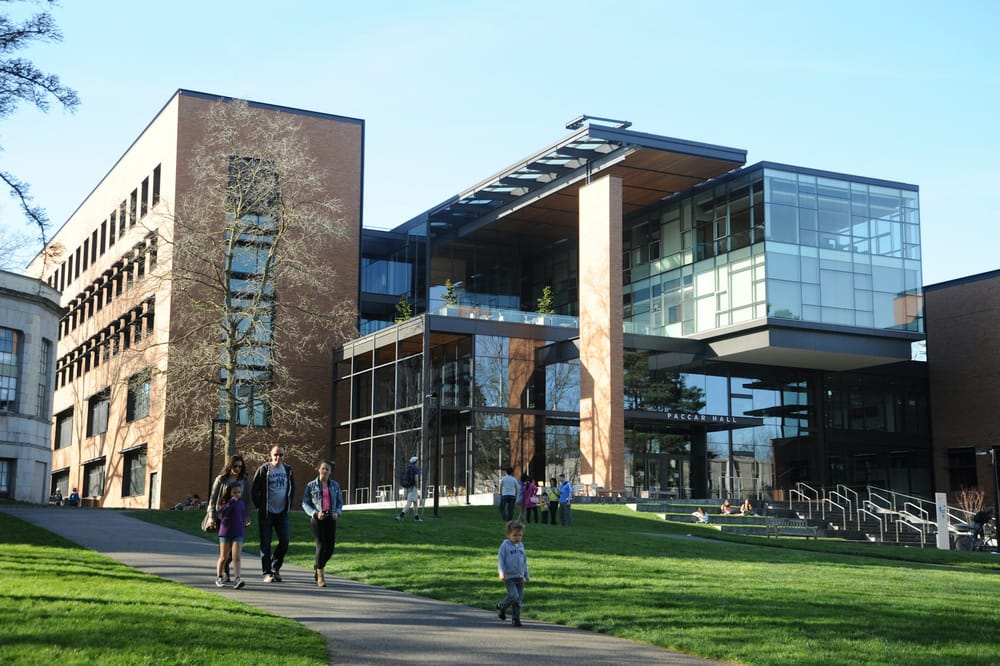
How a Clean Campus Environment Impacts Student Health and Academic Performance
Clean Campus. Healthy Minds. Better Grades.
Table of Content
- Reduced Illness and Disease Spread
- Better Campus Indoor Air Quality
- Better Student Attendance and Campus Hygiene
- Cleans Spaces Fuel Better Focus
- Lower Stress and Better Mental Health
- Better Academic Performance and More Productivity
- Supporting Campus Pride
- Why Should This Matter to the Admins?
- Final Thoughts
A university campus tends to be vast and sprawling, with thousands of people, including students, faculty members, staff, and visitors. It is often not the easiest place to clean or keep clean.
However, it is still a crucial place to keep clean, especially if you want to ensure the performance of the students studying there is always top-notch.
You will be surprised by how much the clean campus environment can affect health, behavior, and the learning outcomes of students. A few studies have shown a strong link between clean educational institutions and better performance, not just for the learners, but also for the instructors and staff.
Let’s explore how a clean campus environment can impact students’ health and academic performance.
Reduced Illness and Disease Spread
Educational institutions like schools and colleges tend to be places that get high traffic every day, with some shared spaces like the cafeteria, auditorium, and multipurpose halls attracting crowds.
More people often mean more shared surfaces and more places where you can pick up germs from. Shared surfaces like desks, various equipment (especially in labs), doorknobs, switches, etc, becomes the hub of spreadable viruses, bacteria, and fungi, which cause a multitude of diseases.
While college students are generally healthy adults and less potent carriers of disease, unlike children, with mutated viruses like COVID-19, they can still spread contagious disease, especially during specific seasonal illnesses like the highly contagious flu season.
A clean campus environment is crucial during college because getting ill can truly hamper student performance, because so much information is crammed into each class, with the climbing stress of missing lectures, assignments, and assessments.
A clean campus environment can be highly effective in preventing this because if germs are not there on the shared surfaces, it reduces the chances of them getting ill, leading to lower sick days and more continuity in learning.
Since the campuses are generally so big, it often requires a dedicated school janitorial service, a professional team that knows the standard protocol for a germ-free and clean campus environment, and it is a truly vital aspect to maintain to ensure the students’ health, wellness, and performance.
Better Campus Indoor Air Quality
Illness also spreads through the air, especially if the campus environment is infested with mold and dust. The mold tends to spray spores into the air, which doesn’t just cause respiratory distress but also causes allergies and other serious illnesses.
Since dust, mold, dampness, and poor ventilation cause symptoms like fatigue, respiratory issues, and headaches, and often lead to illnesses like allergies and asthma, it is crucial to keep a clean campus environment to ensure that it doesn’t cause these problematic issues.
This means that surfaces need to be dusted, the floors need to be vacuumed with dedicated filters, wiped with the right cleaners to ensure they’re disinfected, and air-dried to eliminate any possible dampness that can lead to mold.
The campus also needs to be better ventilated to reduce bad air. This is particularly crucial when students spend so many hours in classrooms.
Harvard’s healthy building initiative is proof that lower carbon dioxide levels and better ventilation can support cognitive performance.
Better Student Attendance and Campus Hygiene
Health and attendance are closely linked because if students are exposed to fewer germs and environmental triggers like mold or dust, they are less likely to miss school because of sickness.
Attendance matters because academic performance depends heavily on time in class, as every missed day can mean missed explanations, group work, quizzes, and feedback, which can compound over time. A clean campus environment can ensure this attendance stays high.
The EPA notes that schools without major maintenance backlogs tend to have better daily attendance and lower dropout rates, showing that well-maintained environments support more consistent student participation, meaning that campus cleanliness and student performance are not only directly related but also help keep students present and engaged.
Cleans Spaces Fuel Better Focus
In a national study of college students, 88 percent said lack of cleanliness becomes a distraction at moderate levels of dinginess, and many preferred orderly, tidy spaces for learning, because dirty, cluttered, or disorganized spaces are distracting.
This makes complete sense psychologically, because clutter competes for attention, and unpleasant surroundings can make it harder to settle into work, but a clean campus environment with a neat classroom or study area reduces those small distractions, which helps students sustain attention for longer periods.
Lower Stress and Better Mental Health
A clean campus environment can create a sense of calm, safety, and control, and tidy, well-maintained facilities support a positive mood and reduce stress, anxiety, and mental fatigue.
This is crucial because students do not learn in isolation from how they feel, so if the campus feels neglected or unsanitary, it can contribute to uneasiness and reduce motivation, but a clean campus environment can make students feel respected and valued, which supports a healthier mindset for learning.
For students already managing anxiety or other mental health challenges, predictable and orderly surroundings can be especially helpful, because even if a clean campus environment does not solve mental health problems, they remove one avoidable source of strain.
Better Academic Performance and More Productivity
Clean Campus Environment supports academic performance through several pathways at once: better health, air, focus, and fewer absences, and sometimes, it is the collective effect of the whole that makes the students do better in a cleaner sphere.
The BYU study also reported that students linked cleanliness to learning quality and to their own health, and they viewed cleanliness as one of the important building elements affecting learning, suggesting that students themselves notice the connection, not just administrators or researchers.
Campus cleaning and academic success are connected because performance improves when students can concentrate, attend regularly, and work in spaces that feel functional and comfortable, and a clean campus environment supports all three conditions.
Supporting Campus Pride
Remember when you were in college, how much it meant to study in a tidy and clean campus environment? Every university hopes that its students will be proud of belonging there, be it regular students, highlighted performers, or athletes.
Let’s face it: to foster campus pride, it has to become something that you can be proud of. A clean campus environment naturally demands that from students.
If the campus is orderly, well-kept, and gives off a professional vibe, it will help grow every student’s sense of pride and belonging. And when they feel like they belong, they put in more effort to get involved and stay engaged.
Studying in a clean campus environment will inspire students to take care of their surroundings, influencing the way they treat common areas like the library or auditoriums.
Why Should This Matter to the Admins?
A clean campus environment is not about housekeeping; it is much more important than that. It should be treated as a part of the academic infrastructure.
If the campus is unclean, there is plenty of research out there that suggests that it will affect the health, attendance, focus, and performance of the students, which can lead to greater implications for the university.
Investing in cleaning staff, professional cleaners, ventilation, maintenance, and cleaning supplies may seem basic, but it should be a high priority because this doesn’t just make the university look good from the outside; it affects the overall rating.
The plan to keep a clean campus environment should include routine disinfection, deep cleaning, mold prevention, ventilation checks, waste management, and standard student hygiene expectations. These standards cannot be dismissed and must be upheld.
Final Thoughts
We often underestimate how cleanliness affects student health. Clean campus environment and hygiene of any of its managed housing can affect students’ physical and mental health, performance, and engagement, and so many other aspects of their lives that eventually affect the kind of education the university is providing.
Clean college campus benefits are many, which makes it crucial for campus admins to ensure that it stays clean, hygienic, and organized.
Frequently Asked Questions
How does campus cleanliness directly affect student grades?
A clean environment reduces sick days, improves air quality, lowers stress, and minimizes distractions — all of which directly support better focus and academic output.
What campus areas need the most frequent cleaning?
High-touch shared surfaces like desks, lab equipment, doorknobs, cafeteria tables, and restrooms are the biggest concern. These spread germs fastest in high-traffic environments.
Can poor indoor air quality in classrooms affect learning?
Yes. Dust, mold, and poor ventilation can easily cause fatigue, headaches, and respiratory issues. Research shows that better ventilation and lower CO₂ levels directly improve cognitive performance.
How often should a university campus be professionally cleaned?
High-traffic areas should be disinfected daily. Deep cleaning including mold prevention, ventilation checks, and floor care should be scheduled weekly or monthly depending on usage.
What should a campus cleaning plan include?
A solid plan covers routine disinfection, deep cleaning cycles, mold prevention, ventilation maintenance, waste management, and clear hygiene standards for students and staff.
Why can't regular staff handle campus cleaning?
Large campuses need dedicated janitorial teams trained in standard sanitation protocols. Without professional-grade processes and equipment, germ control and air quality standards are hard to maintain consistently.
More Blogs on Global
If you loved this, here's what else you'll enjoy
What Is A Good Score For IELTS?
Online Internships for Students
Top 20 Tips To Prepare For Job Interviews
How To Find The Best Deals On Airfare For Students?
The Top Tips And Tricks To Get The Cheapest Flights
Best Degrees for Students Looking to Build Human-Centered Careers
BA Honors: Courses, Degree Programs & Universities
Step-to-Step Guide on amberstudent Account Sign-Up
Best Colleges For Aerospace Engineering In The World (2026 Rankings)
10 Cheapest Countries to Study Abroad!