
Ultimate Guide to The Best Public Transportation in the US
Get on board the hype train!
Table of Content
- Types of Public Transport in the US
- 1. Bus
- 2. Subway
- 3. Light Rail
- 4. Commuter Rail
- US Cities with the Best Public Transportation
- 1. New York
- 2. San Francisco
- 3. Washington DC
- 4. Boston
- 5. Chicago
- 6. Portland
- 7. Philadelphia
- 8. Seattle
- 9. Pittsburgh
- 10. Los Angeles
- Worst Cities for Public Transportation in the US
- Tips for Using the Best Public Transport in the US
Transportation is an important point for students considering where to stay and study in the US. Transport systems vary between cities across the whole of the US. There are more cars than people in the country. Dealing with public transit can feel chaotic, mainly for international students. But once you get it, the system offers real convenience, affordability, and access across big cities. This guide explores the best public transport in the US, along with the US cities with the best public transportation, helping you make informed decisions.
Types of Public Transport in the US
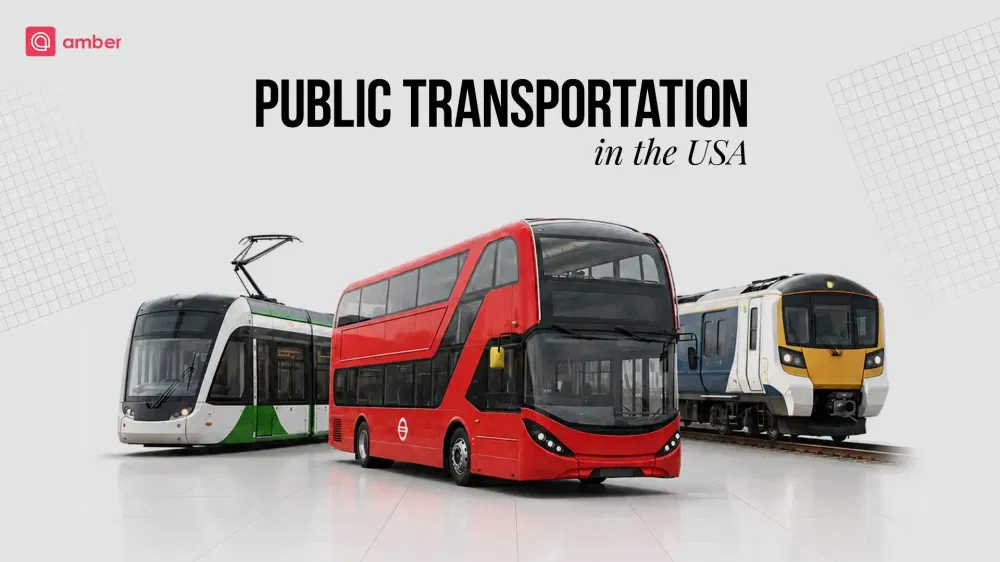
The best public transport in the US includes a wide range of options designed for comfort and efficiency. They're built to serve students, seniors, and everyday users - comfort is part of the design. Passes exist for reduced fares; some offer unlimited rides over a week. A single pass might cover a whole month of travel in places like Chicago or Portland. These various American public transport options are designed to give the utmost comfort and convenience. So, have a look at some of the best transportation in the US city-wide:
| Type of Transport | Key Features | Typical Fare Range (USD) |
|---|---|---|
| Bus | Wide coverage, affordable, frequent stops, suitable for short-distance travel | $1.50 – $3.00 per ride |
| Subway (Metro) | High speed, avoids traffic, frequent service, ideal for daily commuting | $2.00 – $3.50 per ride |
| Light Rail | Eco-friendly, cost-effective, connects key areas, less crowded | $2.00 – $3.00 per ride |
| Commuter Rail | Comfortable seating, longer routes, fewer stops, and connects suburbs to cities | $5.00 – $15.00 per ride |
1. Bus
Bus networks are one of the most common forms of bus transportation services in the US. In fact, many cities boast a strong bus system that links various parts of the city. Most of the time, the fares are quite cheap, and you can use cash or a rechargeable card for payments.
2. Subway
Subways or metros, as they are often called, are typical examples of American public transportation that you can find in major cities such as New York, Chicago, and Washington, DC. Major cities rely heavily on these best subway systems in the US for daily commuting.
3. Light Rail
Light rail systems, which are widely seen in cities like Los Angeles, Denver, and San Francisco, are an integral part of the best public transportation in the US. In fact, these systems can be seen as a variation of subways, but they operate trains that run on tracks above the ground.
4. Commuter Rail
Among the types of American public transport, commuter rail systems play a significant role by connecting the suburbs with the city center. Such systems exist in multiple cities in the US, including Boston, New York, and Philadelphia. This is one of the prominent characteristics of cities with the best public transportation.
US Cities with the Best Public Transportation
Navigating a city becomes far easier and often more affordable when you have access to a reliable public transportation system. In the United States, several cities stand out for their well-connected networks, offering everything from subways and buses to light rail and commuter trains. These cities not only reduce the need for private vehicles but also make daily commuting, sightseeing, and student travel more convenient. Here are some of the US cities with the best public transportation, known for offering the best public transport in the US, along with the approximate fare costs:
1. New York
New York has subways, buses, and commuter rail systems that connect all five boroughs. New York City has one of the best public transportation systems in the US, with over 400 stations and 650 miles of track. New York offers one of the most accessible systems in the country, with subways and buses reaching almost every neighborhood and major university area. Students can easily commute from campuses like Columbia or NYU to any borough. While fares may seem high, student cards and unlimited passes make the best public transport in the US relatively affordable. Its dense network ensures minimal reliance on cars and excellent connectivity even late at night. If you want a deeper look at routes, tips, and insider hacks, check out our guide “Getting Around NYC: Navigate the City Like a Local!”
2. San Francisco
Famous for its cable cars and San Francisco public transportation, the Bay Area Rapid Transit (BART) system is just an example of efficient American public transport in San Francisco. The BART connects San Francisco to the East Bay, making it the best way to travel for students. This transportation system also significantly impacts the amount of money students will be spending while living in San Francisco. It’s one of the US cities with the best public transportation for students. For a complete overview of student life, transport tips, and living insights, check out our guide “San Francisco City Guide For Students 2026.”
3. Washington DC
Home to one of the best metro systems in the US, the city offers clean and efficient connectivity. It is famous for its clean and efficient metro system, which seamlessly connects universities, downtown areas, and suburbs. In addition, it is highly affordable due to student U-Pass programs, which allow unlimited travel at discounted rates.
4. Boston
Boston’s MBTA system is a classic example of the best public transport in the US, combining affordability with reliability. The T is its public transport system, which includes its subway system, buses, and commuter rail. It connects universities such as Harvard, MIT, and Boston University, among other areas. In addition, it connects Boston with its suburbs. It also offers discounted rates for students, which makes it one of the best public transport in the US for students who wish to save money while commuting.
5. Chicago
Chicago’s CTA is widely known for offering one of the best public transport in the US, especially for students. CTA connects every part of Chicago with its extensive network of bus and rail services. This makes it easy for students to commute from campus to other areas of the city.
6. Portland
Portland stands out among cities with the best public transportation in the US due to its eco-friendly and efficient systems. The most commonly used transport in Portland is the TriMet Bus and Light MAX Rail. There is also the Portland Aerial Tram, which is for people who want to enjoy the views from up high in Portland. The Portland Streetcar is also available for people who want to explore Portland. The Portland Streetcar has three lines that cover 16 miles in Portland’s central city.
7. Philadelphia
Philadelphia has one of the best transport systems in that it offers transport through buses, subway, and rail. The Regional Rail is connected to many popular neighborhoods in Philly that people love to visit. Areas like East Falls and Manayunk are popular for their reliable transit links to Center City, and students can find various student housing options in Philadelphia that keep the commute under 30 minutes. When it comes to the bus transport system in Philly, many routes are offered by SEPTA (Southeastern Pennsylvania Transportation Authority). There is also the “Night Owl” route that is available for 24 hours!
8. Seattle
Known for its Seattle public transportation, the city combines buses, rail, and shared mobility options. There are two main public transport systems in Seattle: King County Metro and Sound Transit. King County Metro offers local buses and commuter buses, whereas Sound Transit offers commuter rail, light rail, regional express buses, etc. It is well-connected to various universities and other prominent areas of the city. Streetcars, shuttles, and other modes of transport can also be used if needed.
9. Pittsburgh
Pittsburgh is well-accessible with buses and light rail, particularly in areas surrounding university hubs. A compact yet efficient system makes Pittsburgh one of the underrated cities with the best public transportation in the US. It is not as developed as other cities, but it is reasonably priced for students. All university hubs are well connected to the main areas of the city, though connectivity in other areas is limited.
10. Los Angeles
Despite being car-centric, LA offers one of the best public transport in the US with expanding metro and bus networks. Los Angeles has improved its transport facilities significantly, with the Metro Rail and buses connecting prominent university hubs in the city. These transport options bring people to almost any destination in Greater Los Angeles, making it much easier for people to explore the city without a car.
Worst Cities for Public Transportation in the US
Some of the worst cities for transportation in the US are often those that are heavily reliant on cars and have limited or inefficient public transit systems. Such cities are often cited as some of the worst for transportation, especially considering that they are characterized by poor urban planning, a lack of rail connectivity, and infrequent or non-existent buses. In such cities, it would be difficult to commute without a personal vehicle, and they are not as ideal as cities in the US that have the best public transportation.
Here are some of the worst cities in the US for transportation, especially for those relying on public transit:
- Houston
- Phoenix
- Orlando
- San Antonio
- Dallas
- Atlanta
- Tampa
- Las Vegas
- Nashville
- Charlotte
Tips for Using the Best Public Transport in the US
Even the best public transport in the US can take time to get used to, especially when international students are not accustomed to this sort of thing. That is why we have put together these few pointers that should help you make use of public transportation in the US:
- Plan your route ahead of time: In order to benefit most from the best public transport in the US, you should schedule your travel via a transport application or website. This will not only help you discover the most effective routes, but it will also prevent you from getting lost while relying on public transportation.
- Buy a reloadable card: Reloadable cards are one easy and effective means of payment for fares when travelling by the best public transport in the US. Many American transport systems make these cards available, which can be topped up with money. These cards have discounts like student discounts and are sold at stations, online, or local convenience stores.
- Be aware of schedules and timetables: Transportation timetables are quite changeable during weekdays and weekends, so confirming the schedule prior to making a trip is quite necessary. Most systems have online schedules or apps that you can use to plan your route.
- Keep your belongings safe: It's important to be mindful of your safety and surroundings when using the best public transport in the US. Keep your bags close, in particular during rush hours. That's when things get crowded, and risks rise.
- Follow local rules and customs: Each city has its own rules when it comes to public transport. For example, in New York City (NYC), it is compulsory to stand to the right on escalators so that people can pass on the left. Keep these rules to avoid any problems.
Understanding the best public transport in the US can transform your daily commute and overall student experience. From the best metro systems in the US to efficient bus transportation services, the country offers diverse and accessible transit options.
seamlessly connects universities, downtown areas, and suburbs
Frequently Asked Questions
Are student IDs enough to get transport discounts in the US?
In many cities, a valid student ID alone is not enough; you may need to register for specific student transit programs or passes offered by local transport authorities or universities.
Is public transportation in the US accessible for students with disabilities?
Yes, most public transport systems in the US are ADA-compliant, offering features like wheelchair access, priority seating, audio announcements, and paratransit services.
Can students rely on public transport for late-night travel?
This depends on the city. While cities like New York and Chicago offer late-night or 24-hour services, many others have limited options after midnight, requiring alternative transport.
How safe is public transportation for international students?
Public transportation is generally safe, especially in major cities. However, students are advised to stay alert, avoid empty stations late at night, and follow local safety guidelines.
Can students use one transport card across multiple cities?
No, most transport cards are city-specific. However, some regions offer interoperable cards within nearby transit systems, but they usually don’t work nationwide.
More Blogs on USA
If you loved this, here's what else you'll enjoy
Top Places To Study In Illinois College Towns: Best College Ranked For 2026
Top 5 Virginia College Towns: Best Places For Students To Live And Study In 2026
Best Michigan College Towns (2026): Top Places For Students
California College Towns 2026: Best Places to Live and Study
Colorado College Towns 2026: Best Places & Student Housing Guide
North Carolina College Towns 2026: Best Student Cities To Live & Study
Georgia College Towns 2026: Best Cities For Students
Safest and Most Dangerous Places in Auburn AL in 2026: What Living Here Really Feels Like
Safest and Most Dangerous Places in Columbia SC in 2026 - A Student Guide to Living Smart
Safest and Most Dangerous Places in St. Louis MO: 2026 Guide