
Studying At The University Of Edinburgh: Courses Rankings And More
Get in to Edin'!
Table of Content
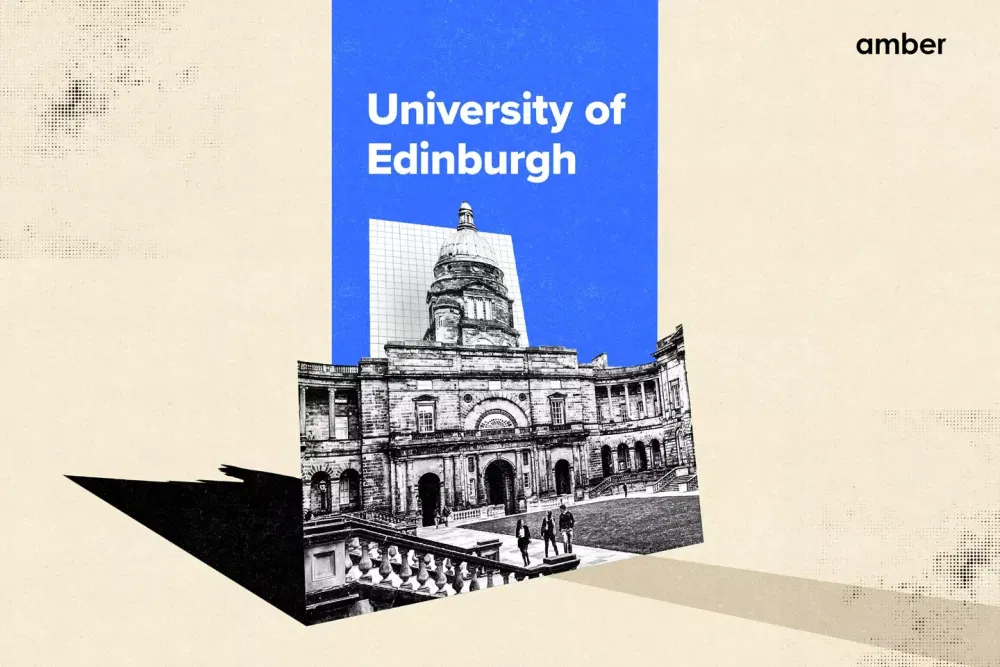
First things first - for all of you who’ve been avoiding saying this particular university’s name, the official pronunciation of Edinburgh is Edin-bruh, not Edin-berg. The University of Edinburgh is one of the best universities in Scotland, and in this blog, we’re going to tell you everything you need to know about this prestigious university.
History of the University of Edinburgh
One of the oldest universities in the UK, this institution has a very long history. The Edinburgh municipal council established an institution known as "the Town's College" after a charter issued in 1583 by King James VI, who would eventually become King James I of England. The Town's College received all the rights and privileges of Scotland's three older universities in 1621 due to a Scottish Parliament statute, and as a result, it gradually adopted the name the University of Edinburgh.
Brief Overview of the University
The University of Edinburgh is one of the best universities in the UK, consistently ranking among the top 50 universities in the world. The current QS ranking for 2024-25 places the university at #15 worldwide. Aside from its great reputation, there are a number of other things the university has to offer, including
- Great faculty and teaching: The university has a great reputation for having very good teachers and good curriculums across disciplines.
- Very good extracurriculars: Over 320 societies and clubs cover a diverse range of disciplines for students to join, and they can even make their own.
- Excellent infrastructure: With over 1.8 million printed volumes, the university’s academic library is one of the biggest and most well-organised in the entire world.
- Beautiful campuses: One of the best parts of studying at this university is being able to live in Edinburgh while you pursue your education. The university has five different campuses spread out across the city, which are called; Western General Hospital, Little France, Easter Bush, The University Central Area (George Square), and The King's Buildings
Notable Alumni of the University of Edinburgh
Want to boast about your University to your friends? Or maybe you just want to convince your parents that they should send you to the University of Edinburgh. One look at the University’s alumni, and they’ll be left flabbergasted.
- JK Rowling: Harry potter fan? If you go to the University of Edinburgh, you’d be going to the alma mater of one of the most famous authors in the world.
- Charles Darwin: The father of evolution, and the author of the Origin of Species, went to this university to study medicine at 16 years old in 1825.
- Alexander Graham Bell: Also at 16, the inventor of the telephone studied at the University of Edinburgh in 1864.
Courses offered
The University of Edinburgh has a range of different courses for students to pursue at the undergraduate and postgraduate levels and also has a range of PhD programmes for students to pursue.
University of Edinburgh Undergraduate Courses
The University of Edinburgh welcomes over 20,000 undergraduate students every year and has an acceptance rate of around 41-45%. Here is a list of some of the most popular undergraduate disciplines at the university.
- Computer Science
- Mathematics
- Psychology
- Social Sciences and Public Health
- Business and Economics
- Cell Biology
- Chemical Engineering
- Microbiology
- Civil Engineering
- English Literature
University of Edinburgh Masters Courses
Around 10,000 students pursue their post-graduate studies at the University of Edinburgh every year. The University of Edinburgh has an acceptance rate of around 20-40% for its master’s courses, with the rate differing significantly for different courses. Some of the most popular master's courses at the university are:
- MSc in Acoustics and Music Technology
- MSc in Sound Design
- MA in Illustration
- MSc in Cognitive Science
- MTh in Biblical Studies
- MSc in Classical Art and the Archaeology
University of Edinburgh PhD Programs
The intake of students into the University of Edinburgh’s PhD programs, varies year to year, but at a time there are at least around 5000 PhD students at the university and usually take around 3 years to complete. Some popular disciplines within which students pursue their PhD research are:
- Celtic and Scottish Studies
- East Asian Studies
- English Literature
- European Theatre
- Film Studies
- Islamic and Middle Eastern Studies
- Italian
Admissions process
Now that we’ve sufficiently convinced you that the university of Edinburgh is the place to be, allow us to take you through the admissions process. If you’re familiar with the UCAS application system, this shouldn’t be too hard to figure out as the application process is pretty straightforward.
How to apply?
It is best to begin applying to the University of Edinburgh 2-3 months before you need to submit your application.
- Gather all your documents
- Create an account online at the University’s official website
- Fill in all your personal details
- Fill out your online application and double-check your information
- Submit all your documents through the portal
- Pay the application fee
Your application fee and online application will differ depending upon the course you have opted for. Once you apply, you should receive a decision within the next 3 months. You can also contact the admissions office for an update on your application status.
Eligibility criteria for the University of Edinburgh
There are a number of different eligibility criteria you will have to meet in order to be able to apply for the University of Edinburgh. Each course may have its own requirements over and above the requirements mentioned below, so double-check the eligibility criteria once you have narrowed down your course.
Standard Requirements:
- SOP for your selected course
- Previous academic transcripts
- One or more Reference letters
- English Language Proficiency
Additionally, some courses may also require you to sit for an entrance test or interview. Different courses will have different grade requirements, and some courses like MBA or MFA programs will also require you to provide them with your resume and a portfolio of your previous work samples.
Documents required to apply at the University of Edinburgh
Each course will have different requirements, but here is a list of a few documents you should keep handy while applying to the University of Edinburgh. If any of your documents are not in English, you will need to provide the original documents along with an official English translation of it.
- Marksheets from 9th grade onwards
- Your official diploma
- A CV or Resume
- Financial requirements
- A research proposal, if you’re applying for a PhD program
- Your TOEFL or IELTS test results
Scholarships and Fees
Like most UK universities, the tuition cost for students differs depending upon the course you are applying for and whether or not you are a UK resident. The tuition fees for non-residents tend to be higher than for the fees of UK residents. Here is a rough breakdown of the tuition fees
We know that these prices may not seem the most affordable, but there are many ways you could reduce the cost of studying at the University of Edinburgh. There are a range of different scholarships you could apply for like:
Alumni scholarships
If you have previously studied at the University of Edinburgh, either for your undergraduate or postgraduate education or have even done a short-term course at the university, you are eligible to apply for one of many alumni scholarships that the University offers.
UK government loans
If you’re a UK resident, you may also be eligible to apply for loans to help you pay off tuition fees. The loans are divided by discipline, so make sure to check the requirements on the University’s official website.
External scholarships
Apart from the scholarships offered by the University of Edinburgh itself, there are also a number of external scholarships you can apply for. One of the most famous scholarships in the UK is the Chevening Scholarship, which you can apply for if you are studying at any UK university.
Student Accommodation
Once your application is done and all your finances are all sorted out, the final piece of the puzzle is figuring out where you’re going to live. There are a ton of student housing options available next to the university of Edinburgh. If you’re looking for student flats in Edinburgh near the campus, some of the best properties to look at include Meadow Court, Portsburgh Court,Brewer’s Court and Panmure Court. For more options, make sure to visit the amber website.
Career Opportunities
The University of Edinburgh is known for having highly sought-after graduates, with High Fliers Research ranking them as the 9th most coveted university by employers for the years 2021-22. The university prides itself on having one of the most entrepreneurial student bodies in the UK, responsible for having launched over 140 different start-ups. The university nurtures an entrepreneurial spirit in its students through a number of different ways including:
- 1-on-1 career counselling
- boot camps & start-up workshops
- hosting networking events like career fairs
That was everything you needed to know about the University of Edinburgh. We’ve tried to cover everything you could possibly need to begin applying to the college and hopefully better your chances of getting in. We hope you’ve found this blog helpful and wish you all the best with your application process! Want a taste of the city’s student life? Check out our blog on the Top 10 Bars in Edinburgh
Moving to the city? Read our blog on the Best Breakfast Places in Edinburgh and plan out your next brunch!
Frequently Asked Questions
Is the University of Edinburgh hard to get into?
The University of Edinburgh is not the hardest university to get into in the UK, but to get in you will need to ensure that you have a strong application.
What is the University of Edinburgh famous for?
The university is known for being one of the highest-ranked universities in the world and is also known for having a very large and beautiful campus.
What is the deadline for the University of Edinburgh applications?
Apart from programs with rolling admissions, the deadline for most programs in January 25th. For a winter intake, the deadline is usually around the 30th of June.
What is the best Master’s program at the University of Edinburgh?
The University of Edinburgh has a range of great Master’s programs, but some of the most renowned are their master's programs in sound engineering, fine arts and engineering.
Is the University of Edinburgh expensive?
The tuition fees of the University of Edinburgh aren’t particularly more expensive than in any other country, however, living costs in Edinburgh can get more expensive than in other parts of the country, making the University of Edinburgh feel like a more expensive university than colleges located outside of the capital.
More Blogs on Edinburgh
If you loved this, here's what else you'll enjoy
Heriot-Watt University: Rankings, Fees & Admissions 2026
Royal Botanic Garden Edinburgh Short Courses
Queen Margaret University Admission Guide 2026
The Safest & Most Dangerous Neighbourhoods in Edinburgh For Students
Edinburgh Napier University: Courses, Accommodation, and Careers
Discover Best Neighbourhoods To Stay In Edinburgh in 2026
Heriot-Watt University: Courses, Fees, And Rankings 2026!
10 Best Bars In Edinburgh For Your Next Drink And Dine
Student City Guide: Edinburgh 2026
Cost Of Living In Edinburgh As A Student